Sale!

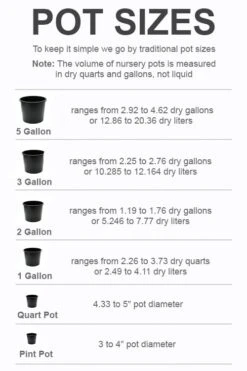
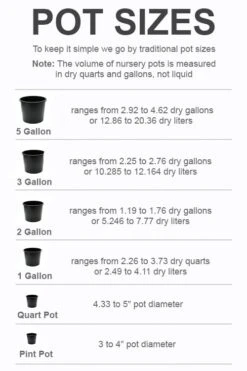
Great Coneflower (Rudbeckia Maxima ) – 1 Gallon Pot
Original price was: $26.85.$18.80Current price is: $18.80.
- Shop with Confidence, Pay Safely
- Quality products, fair prices.
- Your Security is Our Promise
- Streamlined service, designed for your convenience.

Great Coneflower
Rudbeckia maxima
Other Names: Cabbage-leaf Coneflower, Giant Brown-Eyed Susan, Giant Coneflower, Large Coneflower, Swamp Coneflower
Plant Details
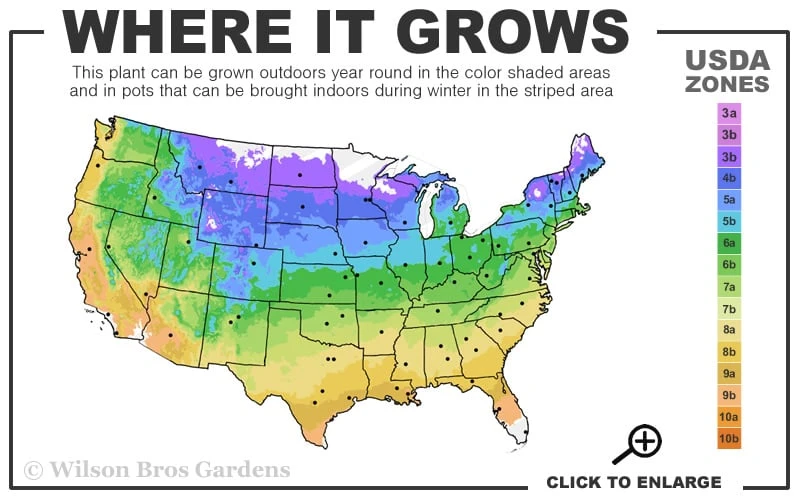
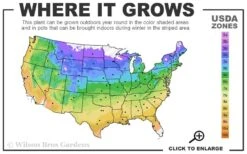
USDA Plant Hardiness Zones: 4a-9b Find Your Zone
Plant Type: Herbaceous Perennial
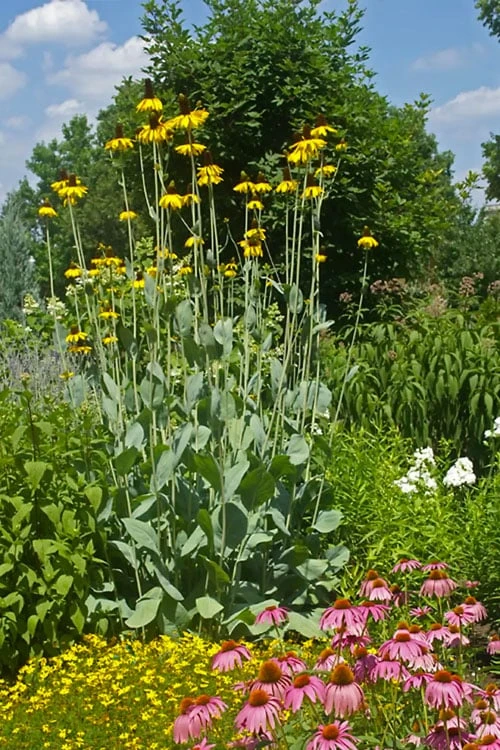
Height at Maturity: 6-8′ tall!
Width at Maturity: 2-3′
Spacing: 24-30″ for mass plantings
Spacing: 24-30″ for mass plantings
Growth Habit / Form: Upright
Growth Rate: Fast
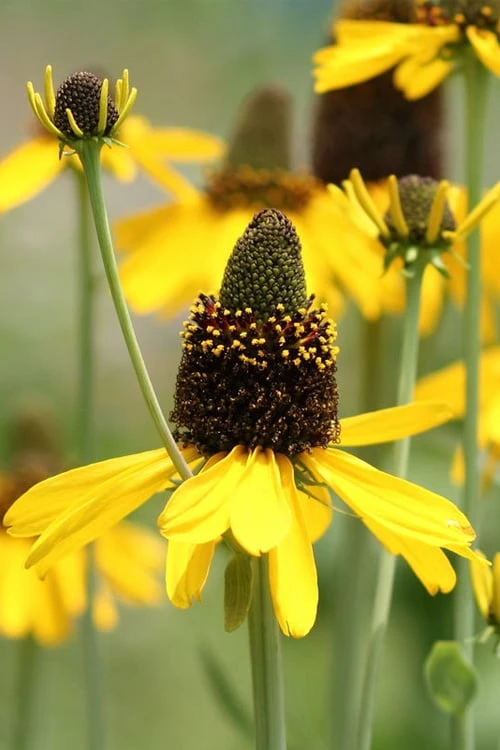
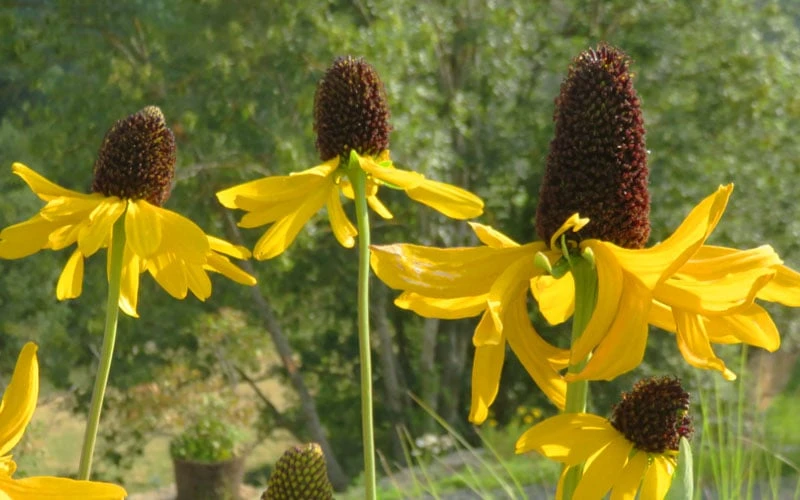
Flower Color: Yellow with Green center cones
Flower Size: 2-3″ diameter
Flowering Period: Mid Summer into Fall
Flower Type: Daisy, coneflower
Fragrant Flowers: No
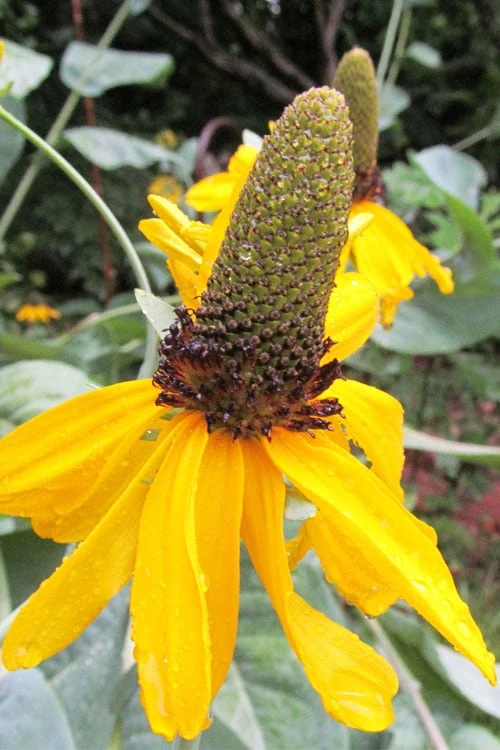
Foliage Color: Silvery Blue-Grey
Fragrant Foliage: No
Berries: No
Berry Color: No
Sun Needs: Full Sun or Part Shade
Water Needs: Average to High
Soil Type: Clay (amended), Loam, Sand (amended), Silt
Soil Moisture / Drainage: Moist But Well Drained
Soil pH: 5.5 – 7.5 (Acid to Slightly Alkaline)
Maintenance / Care: Low
Attracts: Butterflies, Birds, Bees, Pollinators, Visual Attention
Resistances: Cold temperatures (-30F), Deer, Disease, Heat, Humidity, Insect, Rabbit
Description
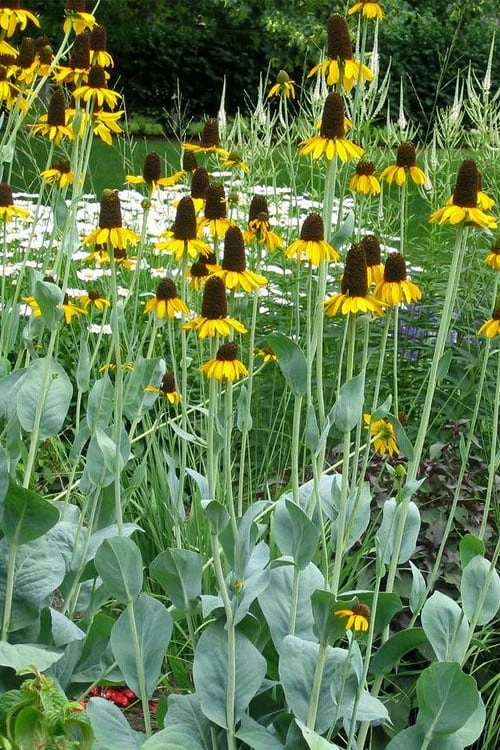
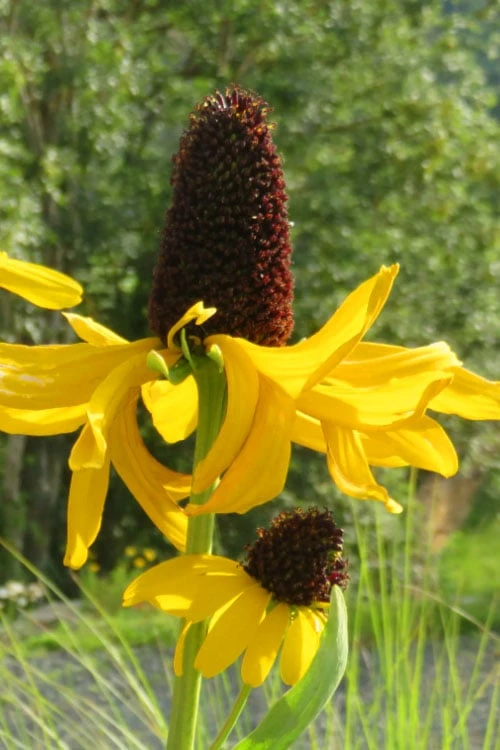
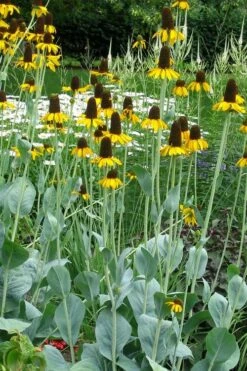
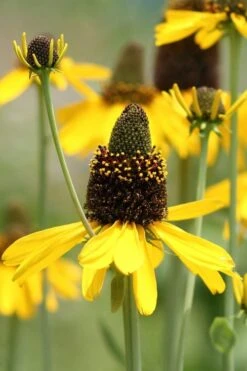
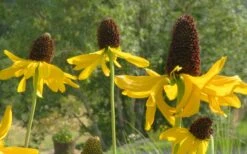
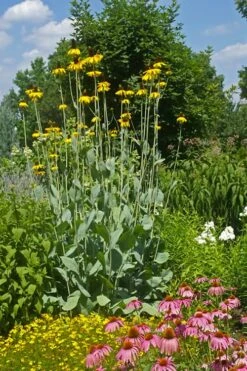
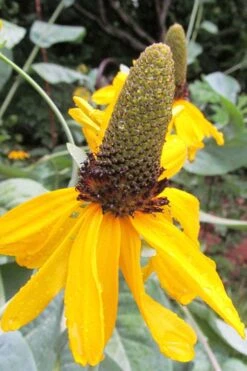
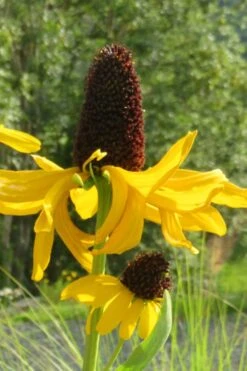
A North American native, Rudbeckia maxima, commonly known as Great Coneflower, Giant Coneflower, or Cabbage Coneflower, is a super-sized and stately Black-Eyed Susan that has a dynamic architectural presence in the garden. Everything about this plant is BIG. The bold and attractive silvery blue-grey leaves average 18 inches long. In early to midsummer, tall sturdy stalks rise above the foliage mound bearing 3-inch diameter coneflowers with large and tall dark brown cones surrounded by a skirt of drooping bright clear yellow petals that are great for cutting and use in flower arrangements. Great Coneflower is a native that is cold hardy to -30F and heat hardy to Zone 9b thriving in sunny sites with consistently moist soils. At 6 to 8 feet tall in bloom and 2 to 3 feet wide, this towering, eye-catching coneflower is excellent for use as a centerpiece or background in perennial and wildflower gardens.
Wildlife Value
This plant supports Wavy-lined Emerald (Synchlora aerata) moths. The flowers attract butterflies. After blooms go to seed, leave the flowers stalks and goldfinches and other small birds will feast on the seeds.
Landscape & Garden Uses
Growing a whopping 6 to 8 feet tall and 2 to 3 feet wide in sunny and moist conditions, the Great Coneflower’s height makes it a perfect selection for the back of the perennial border or as a centerpiece in garden beds that can be viewed from all sides. Excellent for those areas in the garden where the soil tends to stay consistently damp to moist. A fine addition to butterfly gardens, wildflower gardens, cut flower gardens, rain gardens, cottage gardens and yellow color theme gardens.
Suggested Spacing: 24-30 inches apart for mass plantings; 6 feet or more apart for space between plants
Growing Preferences
The Great Coneflower is very easy to grow in most any consistently moist but well-drained soil in full sun or part shade. Provide at least 5 hours of direct sun for best flowering. Will tolerate short dry periods but will appreciate supplemental water during prolonged periods of drought.
Plant Long & Prosper!
Meet The Wilson Brothers & Staff
Questions? Contact Us!
The plants I received are amazing,big healthy plants very happy.————————————-We are so glad you are pleased and we hope you enjoy them for years to come! Thanks for the great review! 🙂 Beth Steele | WBG
Be the first to review “Great Coneflower (Rudbeckia Maxima ) – 1 Gallon Pot”
Related products
Sale!
Original price was: $43.97.$30.78Current price is: $30.78.
Sale!
Original price was: $125.00.$87.50Current price is: $87.50.
Sale!
Original price was: $169.97.$98.99Current price is: $98.99.
Sale!
NATIVE PLANTS
Original price was: $79.97.$55.98Current price is: $55.98.
Sale!


NATIVE PLANTS
Original price was: $149.97.$99.99Current price is: $99.99.
Sale!
Original price was: $33.97.$23.78Current price is: $23.78.
Sale!

NATIVE PLANTS
Original price was: $29.85.$20.90Current price is: $20.90.
Sale!
NATIVE PLANTS
Original price was: $31.85.$22.30Current price is: $22.30.
Reviews
There are no reviews yet.