
Sale!
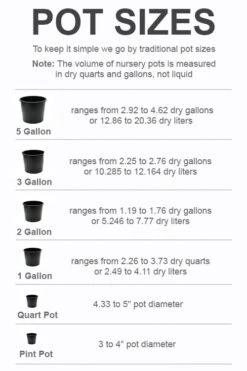


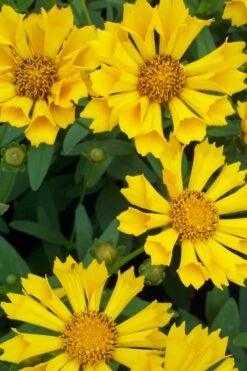


Jethro Tull Coreopsis – 1 Gallon Pot
Original price was: $34.97.$24.48Current price is: $24.48.
- Shop with Confidence, Pay Safely
- Quality products, fair prices.
- Your Security is Our Promise
- Streamlined service, designed for your convenience.

Jethro Tull Coreopsis
Coreopsis ‘Jethro Tull’ PP#18789
Other Names: Jethro Tull Tickseed
Plant Details
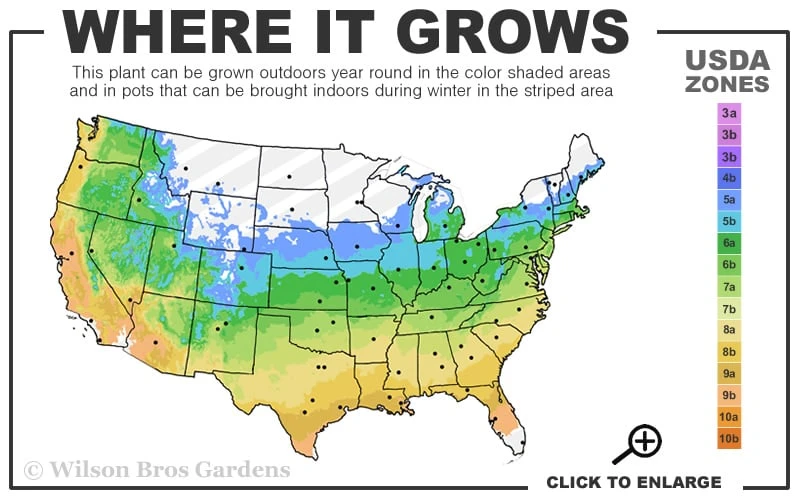
USDA Plant Hardiness Zones: 5a-9b Find Your Zone
Plant Type: Perennial
Height at Maturity: 15-18″
Width at Maturity: 18-24″
Spacing: 18″ for mass plantings
Spacing: 18″ for mass plantings
Growth Habit / Form: Mounding Clump
Growth Rate: Fast
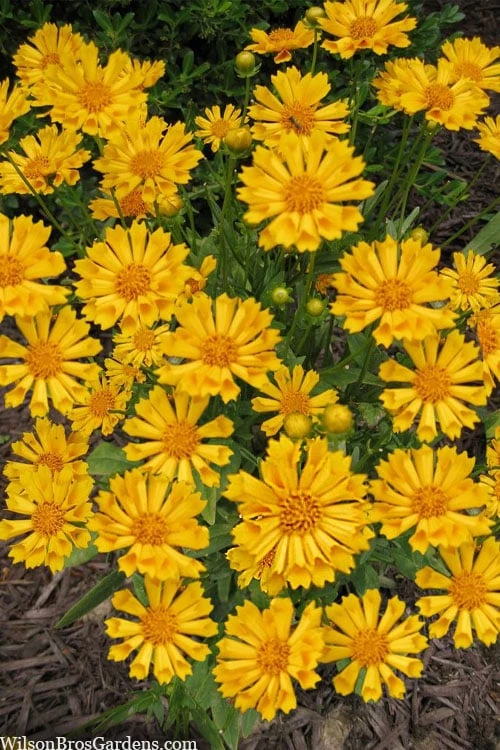
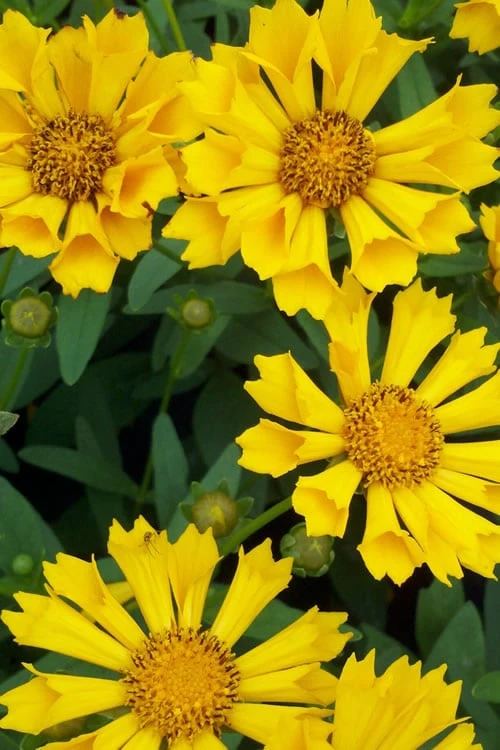
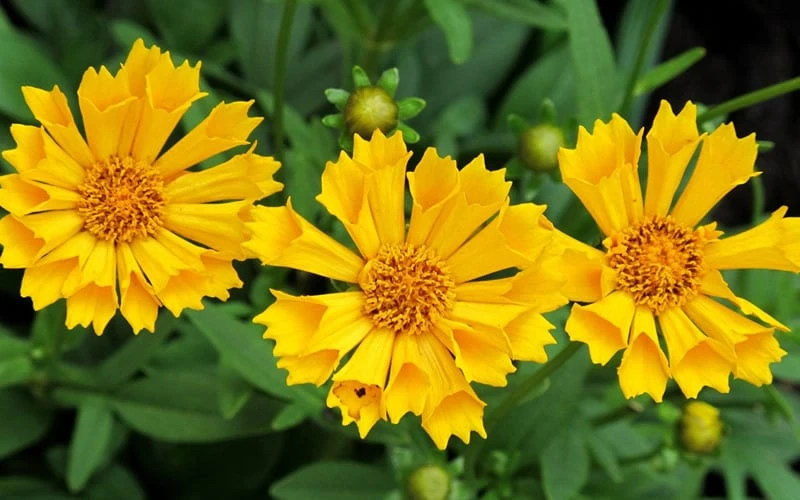
Flower Color: Intense right Golden Yellow
Flower Size: 2″
Flowering Period: Late Spring through Summer
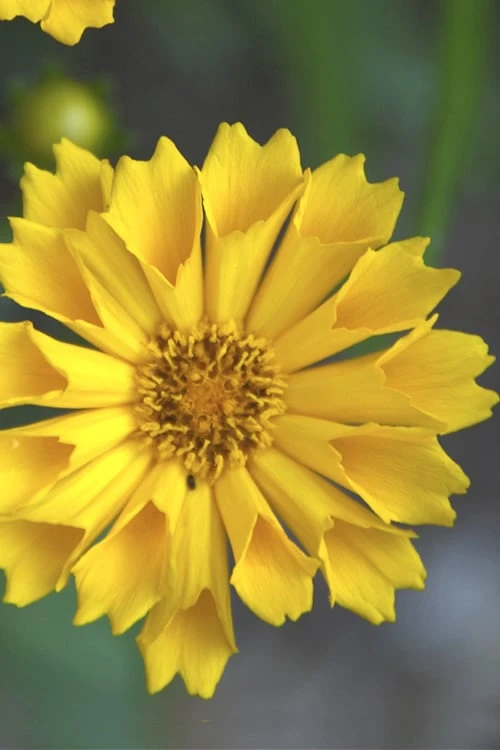
Flower Type: Daisy, fluted petals
Fragrant Flowers: No
Foliage Color: Green
Fragrant Foliage: No
Berries: No
Berry Color: No
Sun Needs: Full Sun; 6 hours or more of direct sunlight per day
Water Needs: Average to Low when established
Soil Type: Clay (amend heavy clay to ensure good drainage), Loam, Sand, Silt
Soil Moisture / Drainage: Moist but Well Drained to Dry when established
Soil pH: 5.5 – 8.0 (Acid to Slightly Alkaline)
Maintenance / Care: Low, Moderate
Attracts: Butterflies, Beneficial Pollinators, Visual Attention
Resistances: Deer – more info, Disease, Drought (when established), Heat, Humidity, Insect, Rabbit
Description
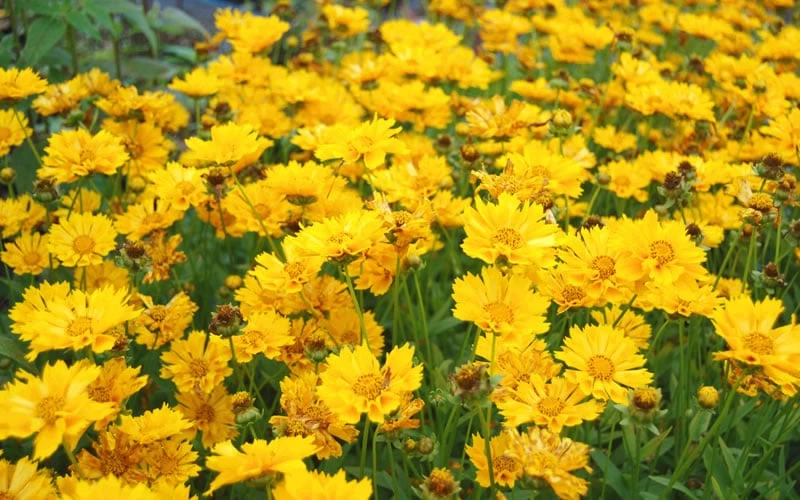
A cheery and easy to grow North American native perennial, the Jethro Tull Coreopsis features abundant, intensely bright, golden-yellow daisy-like flowers with cool overlapping fluted petals surrounding nectar-rich centers that’ll have the butterflies flocking. A long bloomer from spring through summer when the flowers are deadheaded. The long-lasting flowers are also superb for cutting and use in floral arrangements where they’ll last for up to 2 weeks. Excellent for use in pots or situated near the front of your perennial garden. You might be happy to know that deer and rabbits turn their nose up to this plant, and it has good drought and heat tolerance when established. Cold hardy, heat hardy and floriferous, give this one plenty of sunshine and watch the show!
Landscape & Garden Uses
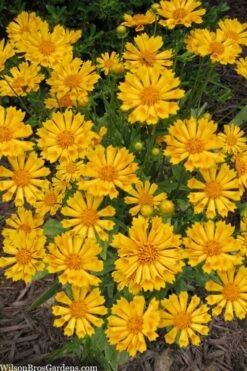
Growing 15 to 18 inches tall and 18 to 24 inches wide, the Jethro Tull Coreopsis is ideal for use as an accent in smaller garden spaces and containers or in groupings at the front of the perennial border. A fine addition to butterfly and beneficial pollinator gardens, cut flower gardens, yellow them gardens, cottage gardens, sun gardens, and wildlife gardens.
Suggested Spacing: 18 inches for mass plantings; 30 inches or more apart for space between plants
How To Measure Total Square Feet Of A Planting Area
How Many Plants Needed To Cover A Planting Area?
Growing Preferences
Coreopsis is very easy to grow in most any moist but well-drained soil of average fertility and full to mostly sun. For best flowering and density of foliage we suggest at least 6 hours of direct sunlight per day, and morning sub for sure to dry the dew from the leaves. Good drought tolerance when established. Constantly soggy or wet soils can be problematic. Heavy, dense clay soils should be amended with bagged top soil or other organic matter to improve drainage. Deadheading spent flowers encourages new buds and extends the bloom period all the way through summer.
Plant Long & Prosper!
Meet The Wilson Brothers & Staff
Questions? Contact Us!
Be the first to review “Jethro Tull Coreopsis – 1 Gallon Pot”
Related products
Sale!
Original price was: $138.85.$95.99Current price is: $95.99.
Sale!
Original price was: $169.97.$98.99Current price is: $98.99.
Sale!

NATIVE PLANTS
Original price was: $36.97.$25.88Current price is: $25.88.
Sale!

NATIVE PLANTS
Original price was: $31.85.$22.30Current price is: $22.30.
Sale!
NATIVE PLANTS
Original price was: $69.97.$48.98Current price is: $48.98.
Sale!
NATIVE PLANTS
Original price was: $79.97.$55.98Current price is: $55.98.
Sale!

NATIVE PLANTS
Original price was: $43.97.$30.78Current price is: $30.78.
Sale!

NATIVE PLANTS
Original price was: $31.85.$22.30Current price is: $22.30.
Reviews
There are no reviews yet.